Posted by Scott Miller on 7th Feb 2026
The Ultimate Guide to Teaching the Constitution: Why Every Classroom Needs a Framed Constitution on Display
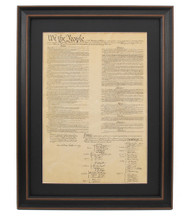
As a history or civics teacher, you know that bringing the founding documents to life isn't just about reading from a textbook. Students need to see, feel, and connect with the Constitution in a tangible way. That's why more and more educators are adding framed historical documents to their classroom walls—and the results speak for themselves.
Why Visual Learning Matters for Constitutional Education
Research consistently shows that students retain information better when they can see it daily. A framed Constitution on your classroom wall isn't just decoration—it's a teaching tool that works 24/7. Here's what teachers are reporting:
- Spontaneous discussions: Students ask questions about specific amendments during downtime
- Reference points: "Look at the wall—what does Article I say?" becomes a natural teaching moment
- Civic pride: Students feel connected to something bigger than themselves
- Constitutional literacy: Daily exposure helps students internalize the structure and language
What to Look for in a Classroom Constitution Display
Not all framed documents are created equal. Here's what you need for a classroom setting:
Size Matters
- Standard Size (approx. 18" x 24"): Perfect for display purposes, but harder to read unaided
- Poster Size (approx. 28" x 33"): Ideal for main classroom walls where students have a better chance of reading the text
Durability for Daily Use
Classrooms are high-traffic environments. You need:
- Solid wood frames (not cheap plastic that breaks)
- Glass fronts (not plexiglass that scratches)
- Secure hanging hardware
- Made in USA quality that lasts years, not months
Popular Classroom Document Sets
The Essential Trio: Constitution, Declaration, and Bill of Rights
This is the most popular choice for American History and Civics classrooms. Having all three allows you to:
- Compare founding principles across documents
- Trace the evolution of American democratic ideals
- Create side-by-side lessons on rights vs. structure
- Display the complete founding vision
**Teaching Tip**: Hang them chronologically (Declaration → Constitution → Bill of Rights) to show the progression of American government formation.
The Civics Focus: Constitution and Bill of Rights
Perfect for government classes where you're diving deep into:
- Separation of powers
- Checks and balances
- Individual rights and liberties
- Constitutional amendments
Individual Documents for Specific Units
Some teachers prefer to feature one document at a time:
- Constitution for government structure units
- Declaration of Independence for Revolutionary War units
- Bill of Rights for civil liberties units
- Gettysburg Address for Civil War units
Creative Classroom Uses Beyond the Wall
Here's how innovative teachers are using framed historical documents:
The "Document of the Week" Rotation
Keep multiple documents and rotate which one is prominently displayed. Students pay more attention when things change.
Student Scavenger Hunts
"Find the clause that gives Congress the power to..." - students race to the wall display to find answers.
Close Reading Stations
During document analysis lessons, students gather at the framed display for small group work.
Classroom Constitution Day Celebrations (September 17)
Turn the framed Constitution into the centerpiece for activities, student presentations, and discussions.
Mock Constitutional Convention
Students reference the actual document during debates and role-plays about ratification.
Funding Your Classroom Display
Good news: You don't have to pay out of pocket!
Donor Projects
Teachers successfully fund document displays through parent Donor Projects by framing them as:
- "Bringing History to Life in Our Classroom"
- "Constitutional Literacy Through Visual Learning"
- "Creating a Civic Education Learning Environment"
**Pro tip**: Include in your project description how daily exposure to founding documents supports state standards for civics education.
School Budget Requests
Present this as a multi-year investment. A quality framed document lasts 10+ years, serving hundreds of students. Break down the cost per student and suddenly it's less than 50 cents per student for a decade of use.
PTA/Booster Club Donations
Many parent organizations love funding visible, educational improvements. Frame it as: "Help us create a classroom that celebrates American history and civic values."
Grant Opportunities
Look for:
- Local education foundations
- Veterans organizations (VFW, American Legion often fund civic education)
- State-level social studies education grants
- Constitution Day grants (yes, these exist!)
Pairing with Lesson Plans
For Middle School Teachers:
- 7th Grade Civics: Constitution display supports state standards on government structure
- 8th Grade US History: Declaration and Constitution show founding era comprehensively
**Lesson idea**: "Constitution Walk-Through" - Students physically approach the display and point out specific articles while explaining their meaning to classmates.
For High School Teachers:
- AP US History: All founding documents support Period 3 curriculum
- AP Government: Constitution and Bill of Rights are reference materials for the entire course
- Street Law/Law Studies: Bill of Rights display for rights-based units
**Lesson idea**: "Constitutional Speed Dating" - Students rotate stations, each featuring a different framed document, answering analysis questions at each stop.
For Homeschool Families:
Create a dedicated learning space featuring American founding documents. Many homeschool families use these as:
- Daily recitation practice (Preamble memorization)
- Copywork source material
- Backdrop for Constitution Day photos and celebration
Making It Part of Your Classroom Culture
The key to getting maximum educational value from framed documents is integration, not just installation. Here's how:
Opening Day Ritual
Start the year by having students take a "Constitutional Oath" in front of the display—committing to learn about and uphold the principles in the document.
Daily Bell Ringers
"Find and read Amendment XIV" or "What does Article I, Section 8 list?" make great warm-up activities.
Student Ownership
Assign "Constitution Curator" as a classroom job—this student leads document-based discussions each week.
Photo Opportunities
Parents love seeing their students in photos standing next to founding documents. Use these for:
- Back to school night presentations
- Social media posts (with permission)
- End-of-year memory books
Constitution Day (September 17) Made Easy
Federal law requires schools receiving federal funding to provide Constitution education on September 17. A framed display makes this simple:
Quick Activities:
- Preamble reading and analysis
- Constitution trivia using the wall display
- "What's Your Favorite Amendment?" discussions
- Constitutional rights role-plays
- Student presentations on different Articles
The framed display becomes your visual centerpiece for the entire day.
Beyond Social Studies: Cross-Curricular Connections
English/Language Arts
- Analyzing 18th-century writing style and vocabulary
- Persuasive writing: "Should we amend the Constitution to..."
- Close reading of Preamble for rhetorical devices
Math
- Statistics on amendment ratification rates
- Timeline calculations between founding documents
- Analyzing census data (required by Article I)
Art
- Studying historical document design and typography
- Creating illustrated versions of amendments
- Designing "Constitution posters" for modern audiences
Practical Installation Tips
Where to hang it:
- Behind your desk: You'll reference it constantly during lessons
- Front wall beside board: Central, visible location
- Side wall at student eye level: For close reading during stations
Avoid:
- Direct sunlight (causes fading over time, or request UV glass on your build)
- High-traffic doorways (risk of damage)
- Behind tall furniture where students can't see
Hanging tip: Use heavy-duty picture hangers rated for the frame weight. Most solid wood frames with glass weigh 3-5 pounds.
Long-Term Educational Impact
Think about the cumulative effect: A student who sees the Constitution daily for 180 school days isn't just learning about it—they're living with it. That builds:
- Constitutional literacy that extends beyond memorized facts
- Civic awareness of rights and governmental structure
- Historical connection to founding principles
- Informed citizenship that lasts beyond your classroom
Years later, former students remember classrooms where founding documents were honored and displayed. You're not just teaching a unit—you're creating citizens.
Getting Started
Ready to bring the Constitution to life in your classroom? Here's your action plan:
This Week:
1. Measure your wall space
2. Decide: single document or set?
3. Determine your budget/funding source
This Month:
1. Order your display (Free shipping means budget-friendly!)
2. Plan your installation and unveiling
3. Develop 2-3 lesson plans that incorporate the display
This Year:
1. Build it into your daily teaching routine
2. Document student engagement (photos, quotes, observations)
3. Share success stories to help other teachers see the value
Ready to Transform Your Classroom?
A framed Constitution isn't just a purchase—it's an investment in civic education that pays dividends every single day. Students deserve to see the founding documents displayed with the dignity and prominence they deserve.
Whether you teach middle school civics, high school government, AP courses, or homeschool American history, these documents become the silent teaching partner you reference constantly.